




2025 Jeep Compass vs. 2025 Hyundai Tucson: For Canadian SUV Shoppers
November 18 2025,
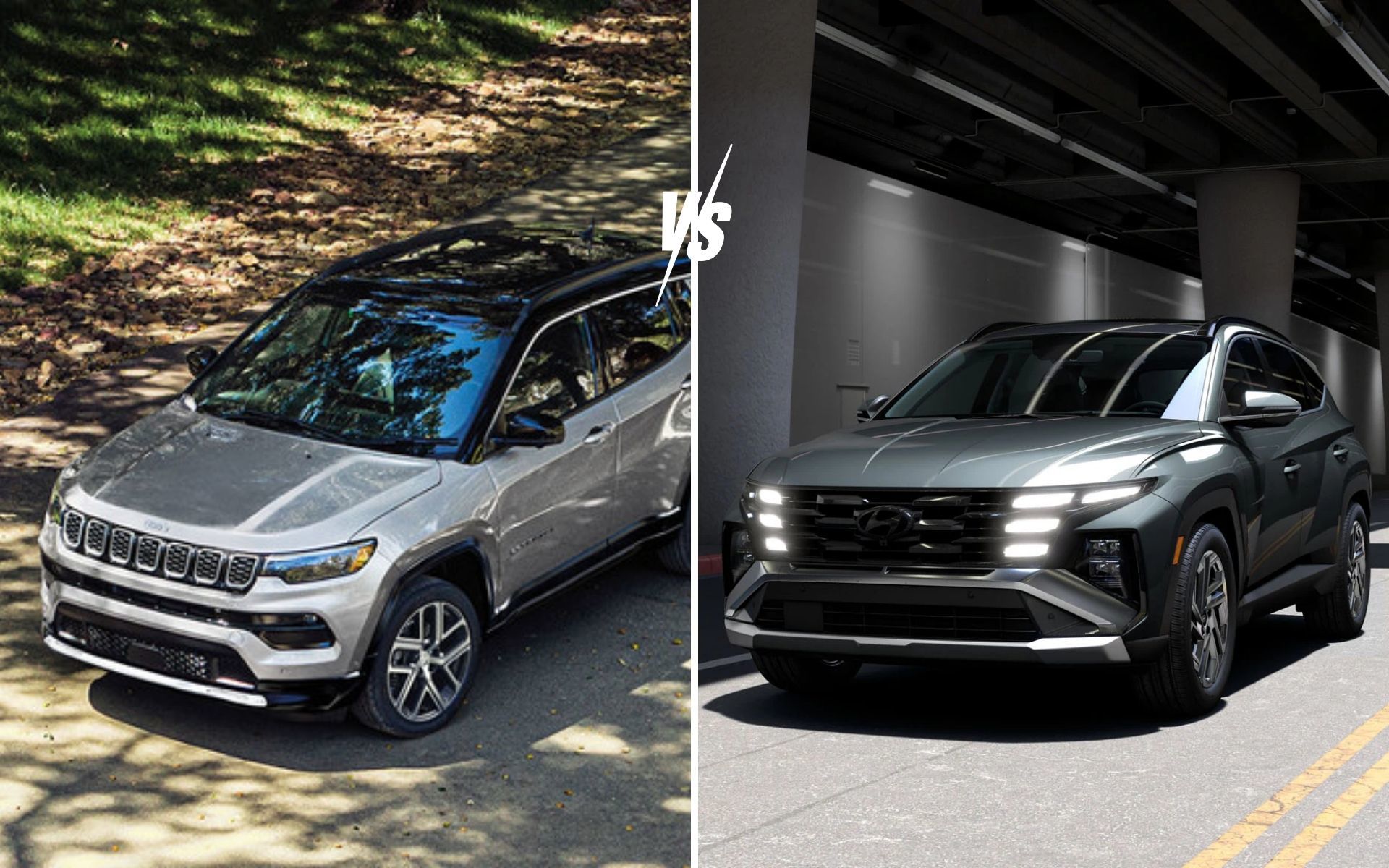
If you’re shopping for a compact SUV, chances are the 2025 Jeep Compass and the 2025 Hyundai Tucson are already on your radar. They’re both stylish, practical, and built with features that fit everyday Canadian life. Rather than drowning you in a huge spec sheet, here’s an easy, conversational breakdown that keeps things fair. No negativity, no bias, just a clean look at what each model offers so you can compare them side by side without stress.
Power That Matches Your Driving Style
The Compass delivers 200 horsepower and 221 lb-ft of torque from a 2.0-litre engine with an eight-speed automatic transmission, which gives it solid acceleration and confidence in tougher road conditions. The Tucson starts at 187 horsepower and 178 lb-ft of torque on its 2.5-litre engine with an eight-speed automatic, and it also offers hybrid and plug-in hybrid variants that range all the way up to 268 horsepower and 258 lb-ft, depending on trim. Both come with AWD, which is a big plus for Canadian winters, and both feel smooth in daily driving, just with slightly different personalities depending on what kind of power you prefer.
Fuel Economy That Works for Canadian Commutes
Efficiency on the Compass sits at 9.9 L/100 km city, 7.4 highway, and 8.8 combined, while the Tucson offers 9.7 L/100 km city, 7.7 highway, and 8.8 combined in this gas configuration. If you lean toward hybrid options, the Tucson lineup expands into more efficient territory, hitting as low as 3.1 L/100 km in the PHEV Ultimate trim. Both make use of regular unleaded fuel and handle mixed Canadian driving conditions comfortably.
Cabin Space and Practicality for Real Life
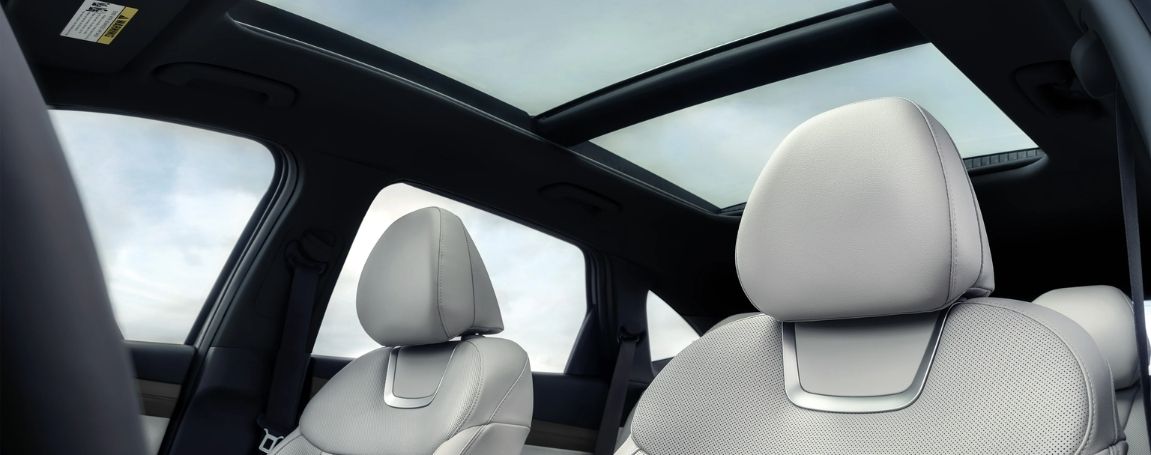
If cargo room matters to you, the Tucson offers 1,095 litres behind the rear seats and 2,119 litres with the seats folded, which gives it one of the roomier interiors in the class. The Compass offers 770 litres in the trunk and 1,693 litres when folded, which still suits families, road trips, and grocery hauls. Both seat five passengers and offer flexible rear seat layouts, with simple fold flat functions that make loading easy. You won’t struggle for comfort in either one, but the Tucson leans more toward interior volume if that’s your priority.
Tech and Features That Make Daily Driving Better
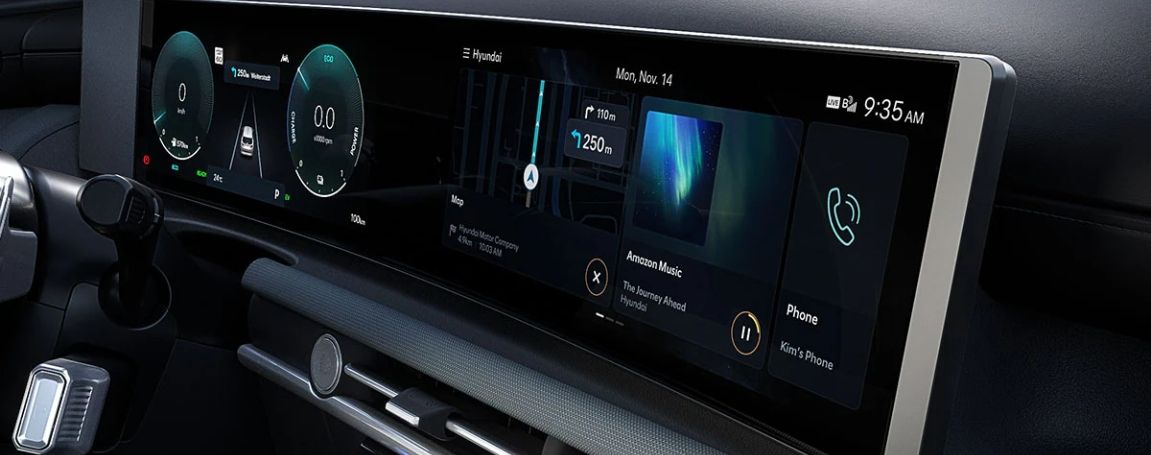
Inside the Compass, you get a 10.25-inch touchscreen, Apple CarPlay and Android Auto, Synthetic Leather seating, six-speaker audio, in-car WiFi, and available navigation. The Tucson steps in with a 12.30-inch touchscreen, wireless charging, Synthetic Leather, a six-speaker system, and thoughtful touches like a hands-free remote hatch and dual-zone climate control with remote app features. Both offer heated front seats and heated steering wheels, making winter mornings a lot more bearable.
Safety and Peace of Mind
Safety ratings matter, and both SUVs deliver confidence. The Tucson carries a 5-star NHTSA rating, including strong side impact and frontal crash scores. The Compass carries a 4-star overall rating, with excellent side impact performance and solid front crash results. The Tucson includes 8 airbags, while the Compass includes 7 airbags, both covering front, side, and curtain zones with dependable protection.
Your Next SUV Awaits at Vaughan Chrysler
If the 2025 Jeep Compass aligns with your style, performance goals, and Canadian driving needs, you’ll want to explore it at Vaughan Chrysler. Our team can walk you through trims, features, and financing, and help you take a closer look at what makes the Compass such a smart pick for drivers across ON. Visit us to see it in person and find the SUV that fits your life perfectly.